Grateful for my CSG free town

Grateful for my CSG free town

Blog

Grateful for my CSG free town

I’m sure you’ve heard of it.  It’s happening all over the world.

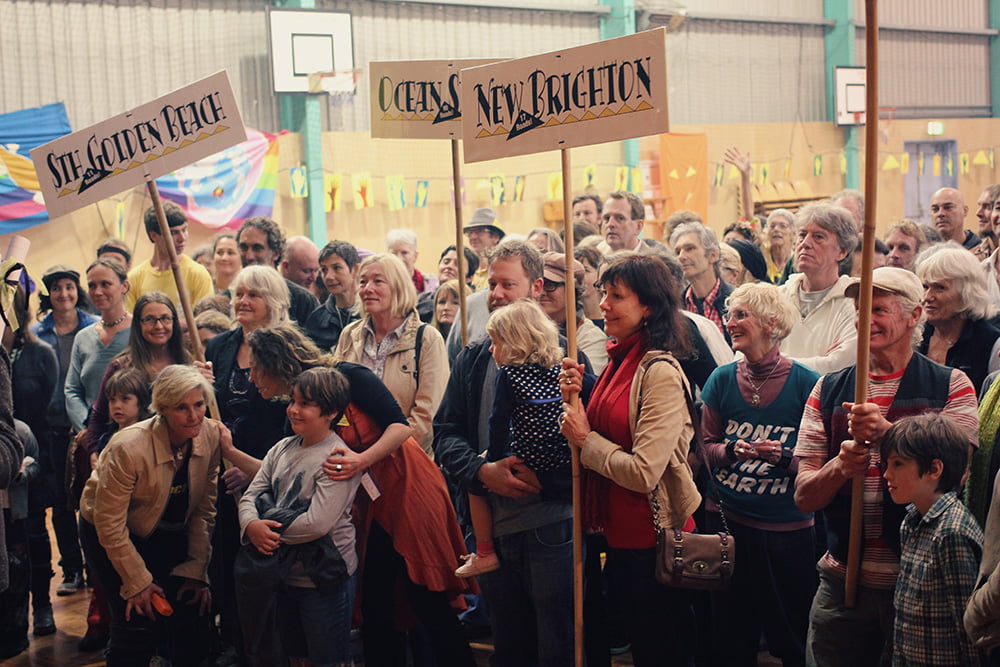
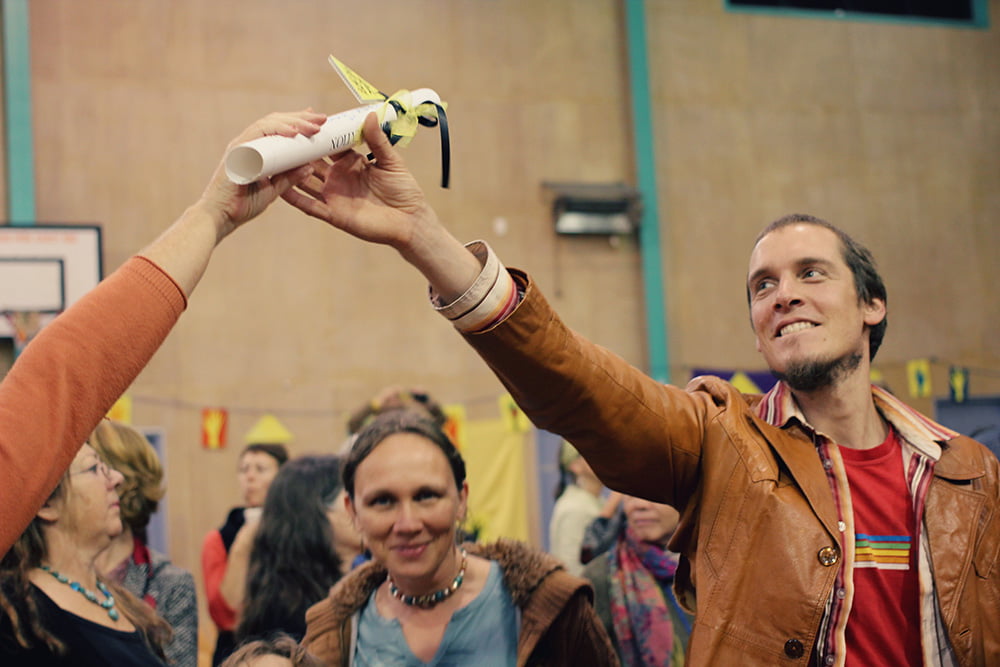
Communities are coming together to stand up against Coal Seam Gas mining (and it’s working!).

I took part in surveying my town, and I’m happy to say that 95.2% of people said a resounding NO to CSG on their land (only a small percentage yes, most people who didn’t say no, said they weren’t sure).

I’m proud to be part of this movement, and grateful to live in a community that respects and protects mother earth.

The information provided on this podcast is intended for informational purposes only and should not be considered professional advice

WANT MORE LIKE THIS IN YOUR INBOX?

[et_bloom_inline optin_id="optin_9"]
What’s draining your energy?

What’s draining your energy?

Fatigue is a major issue in many of our lives.  We live such busy, switched on lives, that we find it hard to switch off and simply be. There are many reasons why we might feel fatigued, but they're not all what you might think. Fatigue is a symptom of depression, and often a side effect of...

read more
Apps for health, happiness and well being

Apps for health, happiness and well being

I admit it.  I'm a bit of a tech nerd.  My computer is actually worth more than my car (which incidentally isn't saying much) and I love hearing about the latest developments in  technology.  While I'm conscious of not letting technology rule my life (I've never owned a TV and always try to switch...

read more
Stop stressing, start relaxing (a how to guide)

Stop stressing, start relaxing (a how to guide)

A week ago I was fortunate enough to attend the Balancing the Busy conference in Bangalow, hosted by the lovely Jody Vassallo.  Two of the guest teachers on A Daily Dose of Bliss, Rachel Zinman and Caroline Cowley were speaking, along with Dr Libby Weaver, an internationally acclaimed nutritional...

read more

Join our community over at the Yoga Psychology Institute and download my favourite Spotify playlist for nervous system regulation

Restorative yoga for mental health

Restorative yoga for mental health

Blog

Restorative yoga for mental health

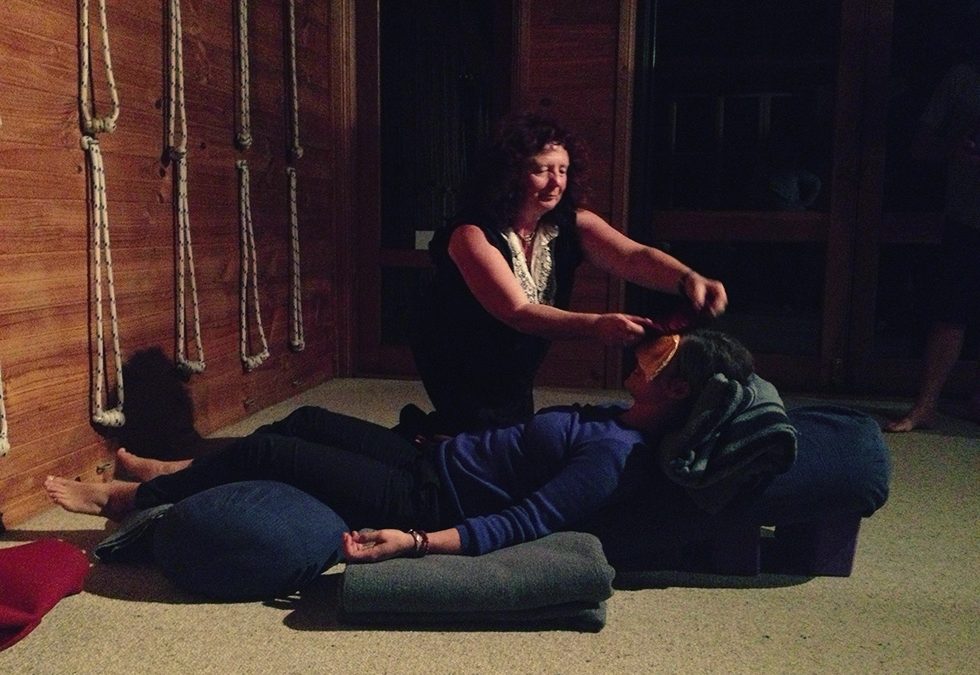
The yoga psychology sanga meet every couple of months in beautiful yoga studios in Byron Bay and Mullumbimby (Australia) to learn and get excited about yoga psychology. This month we met at Libbie Nelson‘s lovely shala, to learn about her experience with yoga and mental health.  Libbie is a yoga therapist, physiotherapist and yoga teacher trainer, and she runs workshops on yoga and mental health. My favourite part of the yoga psychology sanga get-togethers is experimenting on ourselves as we try out all the yoga practices. I thought I’d share with you some images from Libbie’s workshop….. A restorative yoga pose for a kapha imbalance.       A restorative yoga pose for a vata imbalance.       A restorative yoga pose for a pitta imbalance.       A restorative yoga pose for a pitta or kapha imbalance. From a mental health perspective, an imbalance of vata is associated with anxiety, pitta with anger and kapha with depression.  These postures are held for an extended period of time, so be sure you’re really comfortable, close your eyes, and enjoy! Thanks Libbie for a beautiful informative and restorative evening,

The information provided on this podcast is intended for informational purposes only and should not be considered professional advice

WANT MORE LIKE THIS IN YOUR INBOX?

[et_bloom_inline optin_id="optin_9"]
What’s draining your energy?

What’s draining your energy?

Fatigue is a major issue in many of our lives.  We live such busy, switched on lives, that we find it hard to switch off and simply be. There are many reasons why we might feel fatigued, but they're not all what you might think. Fatigue is a symptom of depression, and often a side effect of...

read more
Apps for health, happiness and well being

Apps for health, happiness and well being

I admit it.  I'm a bit of a tech nerd.  My computer is actually worth more than my car (which incidentally isn't saying much) and I love hearing about the latest developments in  technology.  While I'm conscious of not letting technology rule my life (I've never owned a TV and always try to switch...

read more
Stop stressing, start relaxing (a how to guide)

Stop stressing, start relaxing (a how to guide)

A week ago I was fortunate enough to attend the Balancing the Busy conference in Bangalow, hosted by the lovely Jody Vassallo.  Two of the guest teachers on A Daily Dose of Bliss, Rachel Zinman and Caroline Cowley were speaking, along with Dr Libby Weaver, an internationally acclaimed nutritional...

read more

Join our community over at the Yoga Psychology Institute and download my favourite Spotify playlist for nervous system regulation

Join my Mindful in May team

Join my Mindful in May team

Blog

Join my Mindful in May team

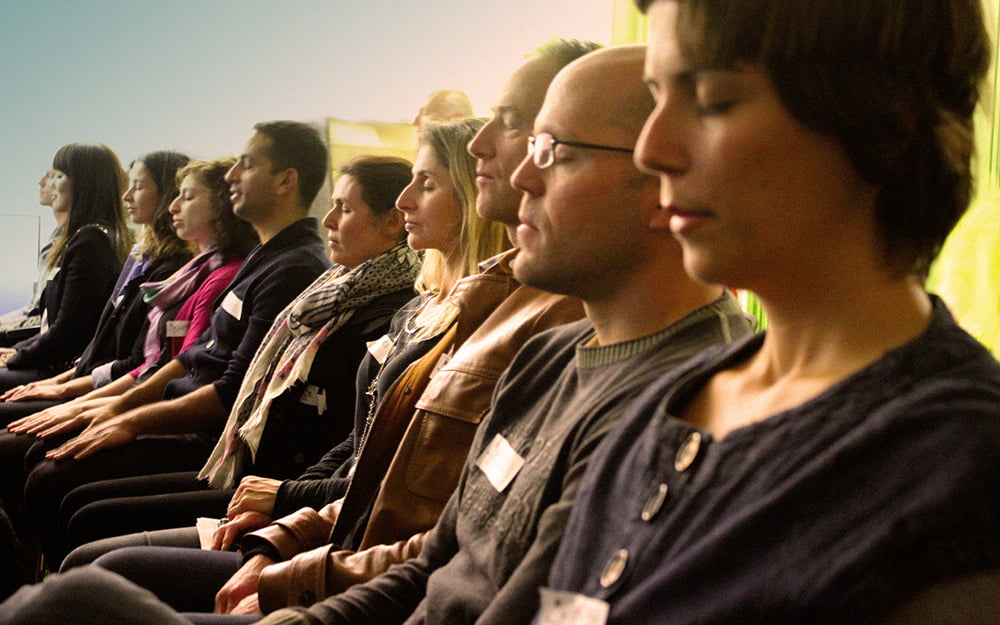
In less than a week I’ll be joining hundreds of people from all over the world, meditating each day for a whole month, and raising money to help build water infrastructure in Rwanda.

Would you like to join me?  

I’ve created a team, and I’d love for you to be part of it.  You can sign up here right away, or read on for more information.

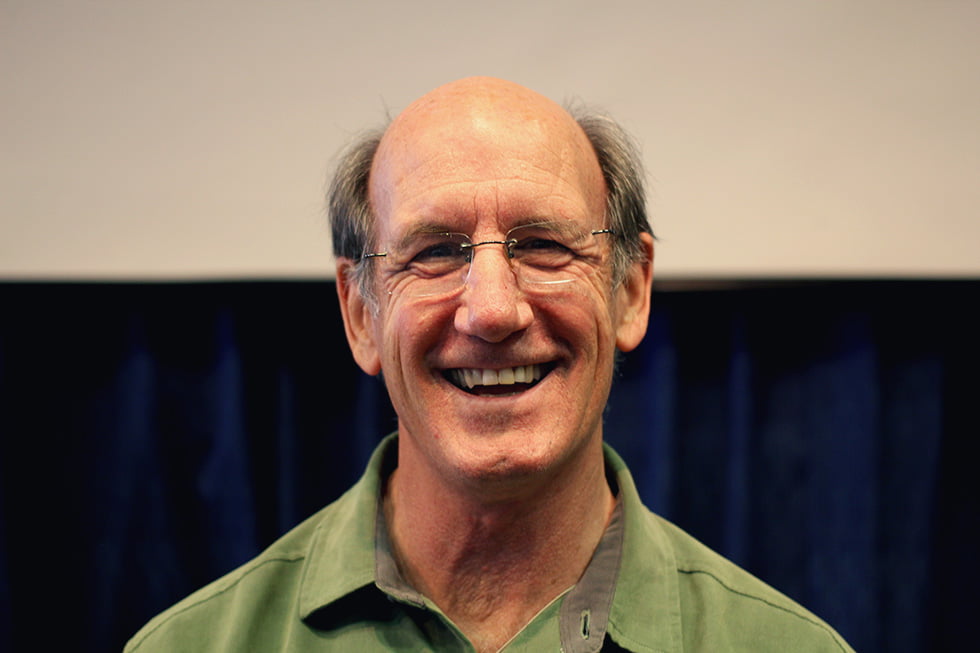
To introduce you to Mindful in May, I’d like for you to meet Elise Bialylew, founder of Mindful In May….


Photograph courtesy of Mindful in May


Elise, tell me a bit about Mindful in May

Mindful in May is a one month mindfulness meditation campaign starting on May 1st that challenges people to develop more awareness, appreciation and clarity in everyday life, while at the same time contributing to a significant global cause.

Mindfulness, the capacity to meet our experience with awareness and wisdom, is something that can be learned through meditation and by tuning in to our senses and learning to be aware of what we are doing, as we are doing it.

Although meditation looks like a whole lot of nothing, being mindful is a very challenging task in such a distractable world and the benefits aren’t necessarily instant. So I thought it would be powerful to connect the idea of practising for one’s own benefit, with the opportunity to make a tangible difference in the lives of others less fortunate.

How does Mindful in May help to change the world?

Meditation is sometimes considered to be a very internal, self focused practice when in fact my learning has revealed it to be a very generous practice. It helps us get past our own self focused thinking and worries, better focus our attention and return to a more content, clear and compassionate state. The natural ripple effect is more creativity and a greater tendency to extend ourselves to others.

In the developed world most of us have our material and survival needs met, but it’s our minds that cause so much of our suffering. In the developing world it’s something as basic as water, which causes so much suffering for people. So Mindful in May addresses both of these issues by offering people a way to learn how to train the attention, strengthen awareness and become masters rather than slaves of our minds, whilst helping to improve the lives of thousands of people living in the world without access to clean, safe drinking water.

Accessing clean water is not something we usually think of as a luxury, but for 1 in 6 people on the planet it is a daily struggle.

I witnessed the issues related to water in the developing world when I travelled to West Africa many years ago. The poverty there had a huge impact on me and I was left feeling it would be so meaningful to help in some way. I remember watching in disbelief as women walked barefoot along cliffs for miles balancing litres of water on their heads, only to do it all again the next day.

Contaminated water is one of the leading cause of disease and death in the developing world and it wasn’t uncommon to see posters pinned up on public walls with photos of children who had died from various water borne diseases. It really connected me to the reality of the statistics you read, that can so easily brush over you.


 Photograph courtesy of Mindful in May


On a personal note, how has meditation changed your life?

Meditation for me is really about developing a capacity to see more clearly in life. It has helped me develop more self awareness and from there I’ve become clearer about my life’s purpose. To me that is so important, because we are here for such a relatively short time, and time moves so fast these days.

Whether it’s facing a stressful work situation, communicating more effectively in my relationships, dealing with conflict less reactively and having more self-compassion: these are just a few ways it has enhanced my life.

The thing about meditation is that you really have to practice it to discover the benefits for yourself.

There were many years where I read about meditation but avoided sitting still. I’ve got a lot of energy and I love creating and doing, so meditation isn’t something that is easy for me to do, but that’s exactly why I feel I need it, to create some balance, support me in slowing down and help me refocus my attention that can often get quite scattered.

What suggestions do you have for others wanting to introduce mindfulness into their lives?

I think the key to bringing more mindfulness into everyday life is not setting goals that are too demanding. We’ve all got enough to do lists, so you don’t want meditation to feel like a burden.

I really like Stanford psychologist BJ Fogg’s work around habit formation: the idea that to develop a habit, we need to  choose something really small and achievable to begin with- for example, just do ten minutes of meditation a day. If that feels unachievable try and just be present to your breath for one minute of your day.

I’ve found it surprising how even taking a few conscious breaths in the middle of a non-stop day, can be so effective in helping me re-focus and relax.

So how does Mindful in May work?

Register as an individual or join a team.

Then donate money to the cause and/or invite your friends and family to sponsor you.

From the 1st of May, you will start receiving a meditation program delivered daily to your inbox, including:

  • Weekly guided audio meditation downloads
  • Daily instruction and guidance through different meditations hurdles
  • Accessible cutting edge scientific research to help motivate your practice
  • Daily inspiration through curated videos, quotes and article links
  • Access to interviews with leading experts in the field
  • Opportunities to partake in community events (although predominantly in australia at this stage)
  • Invitations to host your own Mindful in May events and connect with other like minded people in your community

Thank you Elise!  I’m looking forward to this.

Would you like to join me?

I’ve created a team, and I’d love you to be part of it.

You can register here (click on ‘join this team’).

It costs $10 to register which covers the cost of running the campaign.

If you want to make a difference, you can donate whatever amount you feel to bring clean water to Rwanda.  To have an even bigger impact, invite your friends & family to support your challenge.

Or if you’d like to support this wonderful cause, but don’t want to take part in the challenge, you can sponsor me here (click on ‘donate to this cause’).

Hope to meditate with you soon,

The information provided on this podcast is intended for informational purposes only and should not be considered professional advice

WANT MORE LIKE THIS IN YOUR INBOX?

[et_bloom_inline optin_id="optin_9"]
What’s draining your energy?

What’s draining your energy?

Fatigue is a major issue in many of our lives.  We live such busy, switched on lives, that we find it hard to switch off and simply be. There are many reasons why we might feel fatigued, but they're not all what you might think. Fatigue is a symptom of depression, and often a side effect of...

read more
Apps for health, happiness and well being

Apps for health, happiness and well being

I admit it.  I'm a bit of a tech nerd.  My computer is actually worth more than my car (which incidentally isn't saying much) and I love hearing about the latest developments in  technology.  While I'm conscious of not letting technology rule my life (I've never owned a TV and always try to switch...

read more
Stop stressing, start relaxing (a how to guide)

Stop stressing, start relaxing (a how to guide)

A week ago I was fortunate enough to attend the Balancing the Busy conference in Bangalow, hosted by the lovely Jody Vassallo.  Two of the guest teachers on A Daily Dose of Bliss, Rachel Zinman and Caroline Cowley were speaking, along with Dr Libby Weaver, an internationally acclaimed nutritional...

read more

Join our community over at the Yoga Psychology Institute and download my favourite Spotify playlist for nervous system regulation

Trauma and yoga

Trauma and yoga

Blog

Trauma and yoga

My friend and colleague Annabel McLisky teaches beautiful workshops on trauma sensitive yoga.  After reading the ground breaking book ‘Overcoming Trauma Through Yoga‘, I attended one of Annabel’s workshops last year in Mullumbimby. To me, this information is so important for anyone who goes to a yoga class and has had any kind of trauma in their life (and let’s face it, it’s not an uncommon experience), and also for yoga teachers, so they can best support their students, whether they know a student has experienced trauma or not. So I’ve invited Annabel in to my virtual interview room, to ask her some questions about yoga and trauma.
Lauren: Annabel, tell me a little about yourself.  Annabel: I completed my yoga teacher training with IYTA in Sydney in 1978, and taught there before moving to the north coast of NSW in 1981.  I have taught yoga in this area ever since – currently at Temple Byron in Byron Bay. In 1999 I encountered Dru Yoga and completed their first Australian teacher training.  Since graduating I have been a senior tutor on Dru Yoga and Dru Meditation Teacher Training courses around Australia. I am a psychologist in private practice in Bangalow, having studied psychology as a mature age student and doing my psychology internship at The Buttery, therapeutic community for drug and alcohol rehabilitation. Last April I attended a 5 day training in Trauma Sensitive Yoga (TSY) with yoga teacher David Emerson, and trauma specialist psychologist Bessel van der Kolk at Kripalu, Massachusetts.  Last August I presented a webinar for the Australian Psychological Society (APS) on TSY and presented a TSY workshop for yoga teachers in Mullumbimby in October last year with colleagues Shirley Hicks and Arthur Sharp. You teach beautiful workshops for yoga teachers and health professionals on trauma sensitive yoga.  What is trauma sensitive yoga?  And how does it differ from ‘general’ yoga? Trauma Sensitive Yoga (TSY) is a gentle form of body-focussed yoga set in a safe environment for people who have experienced trauma. The principles of TSY are to give the student the opportunity to practice: being present (mindfulness), making choices, taking effective action, creating rhythms, sensing dynamics and discovering their spatial orientation. It differs from ‘general’ yoga in that the language is invitational and one of enquiry, the teacher does not physically adjust (or touch) the students, the students are invited to experiment with the postures and make adjustments according to their individual needs. The aim of TSY is to empower the students by helping them to befriend their bodies. What advice do you have for someone who has experienced trauma, and would like to join a yoga class, but may not have access to a specialised trauma sensitive yoga teacher? I recommend that they be prepared to try several classes until they find a teacher and a class environment they feel safe with – one where they can start the process of becoming “embodied” by combining breath and movement in their own time and incorporating the TSY principles above.  It is their choice whether they tell the teacher of their trauma. What advice do you have for yoga teachers, who want to be sensitive to students in their class who may have experienced trauma?   Create a safe environment where each student is given choice whether to participate, modify or not practice any posture, with eyes open or closed and in their own time, where they know that their mat is a safe place to be, that they will not be touched or witness other students being touched.  To use invitational language “when you’re ready”, “as you like”, and language of enquiry “experiment”, “notice”, “observe”, keeping language body based and focussing on present moment experience. Why is yoga important for overcoming trauma?  In the words of Bessel van der Kolk: “Yoga is part of the overall healing process.  Being able to find the words that allow you to know what happened, and being able to place the memory in space and time, liberates a person from the tyranny of having to relive the trauma in the present.  But only if the past can be remembered without the body being forced to relive what happened can one truly speak of recovery.” And to cap it off, right now, in this moment, what are you grateful for?  I am grateful for the sun which is shining, the clear blue sky, for good health, for breath, for my husband, three children and granddaughter, for family, friends, students, clients, teachers, mentors, to live in the most beautiful part of this lucky country, for the ocean and beaches, the forests and green hills, for life!  And for yoga, meditation and relaxation which sustain me, and for being able to share my passion with others. Many thanks Annabel.  I wish you all the best as you share this valuable work with yoga teachers and mental health professionals in Australia. Annabel and her colleagues will be teaching a Trauma Sensitive Yoga workshop in Brisbane (Australia) for Yoga Teachers on Saturday, 4th May and in Sydney on Saturday, 10th August; and a TSY workshop for mental health clinicians in Brisbane on Sunday, 5th May and in Sydney on Sunday, 11th August.  For more info visit www.traumasensitiveyogaaustralia.com.

The information provided on this podcast is intended for informational purposes only and should not be considered professional advice

WANT MORE LIKE THIS IN YOUR INBOX?

[et_bloom_inline optin_id="optin_9"]
What’s draining your energy?

What’s draining your energy?

Fatigue is a major issue in many of our lives.  We live such busy, switched on lives, that we find it hard to switch off and simply be. There are many reasons why we might feel fatigued, but they're not all what you might think. Fatigue is a symptom of depression, and often a side effect of...

read more
Apps for health, happiness and well being

Apps for health, happiness and well being

I admit it.  I'm a bit of a tech nerd.  My computer is actually worth more than my car (which incidentally isn't saying much) and I love hearing about the latest developments in  technology.  While I'm conscious of not letting technology rule my life (I've never owned a TV and always try to switch...

read more
Stop stressing, start relaxing (a how to guide)

Stop stressing, start relaxing (a how to guide)

A week ago I was fortunate enough to attend the Balancing the Busy conference in Bangalow, hosted by the lovely Jody Vassallo.  Two of the guest teachers on A Daily Dose of Bliss, Rachel Zinman and Caroline Cowley were speaking, along with Dr Libby Weaver, an internationally acclaimed nutritional...

read more

Join our community over at the Yoga Psychology Institute and download my favourite Spotify playlist for nervous system regulation

Coming home to yoga nidra

Coming home to yoga nidra

Blog

Coming home to yoga nidra

I spent five days last week studying iRest yoga nidra with Richard Miller.

It was one of the most profoundly life changing teachings I’ve ever experienced.

The funny thing is that I used to really dislike yoga nidra.  I tried it for the first time at the satyananda ashram in Daylesford nearly 10 years ago, and, well, I did not like it one bit.  I fidgeted throughout the whole practice, and lay there (impatiently) waiting for it to be over (and my now husband slept through the whole thing).  I was practicing Ashtanga Yoga at the time, and (I see now) needed the constant movement of the vigorous Ashtanga practice to keep my mind focussed.

Now a decade older, the relaxing and soothing balm of yoga nidra, coupled with the focussed meditation on pure awareness, is just what I need.

I feel like I’ve found what I’ve been searching for, for a long time.  And it was always there.

So expect more from me about yoga nidra in the future.  I’ll be blogging more about what it is and how it rocks my world, and I’m really excited that Richard will be contributing to my online course a daily dose of bliss (stay tuned!).

Blessings,

The information provided on this podcast is intended for informational purposes only and should not be considered professional advice

WANT MORE LIKE THIS IN YOUR INBOX?

[et_bloom_inline optin_id="optin_9"]
What’s draining your energy?

What’s draining your energy?

Fatigue is a major issue in many of our lives.  We live such busy, switched on lives, that we find it hard to switch off and simply be. There are many reasons why we might feel fatigued, but they're not all what you might think. Fatigue is a symptom of depression, and often a side effect of...

read more
Apps for health, happiness and well being

Apps for health, happiness and well being

I admit it.  I'm a bit of a tech nerd.  My computer is actually worth more than my car (which incidentally isn't saying much) and I love hearing about the latest developments in  technology.  While I'm conscious of not letting technology rule my life (I've never owned a TV and always try to switch...

read more
Stop stressing, start relaxing (a how to guide)

Stop stressing, start relaxing (a how to guide)

A week ago I was fortunate enough to attend the Balancing the Busy conference in Bangalow, hosted by the lovely Jody Vassallo.  Two of the guest teachers on A Daily Dose of Bliss, Rachel Zinman and Caroline Cowley were speaking, along with Dr Libby Weaver, an internationally acclaimed nutritional...

read more

Join our community over at the Yoga Psychology Institute and download my favourite Spotify playlist for nervous system regulation

Rapping my asana

Rapping my asana

Blog

Rapping my asana

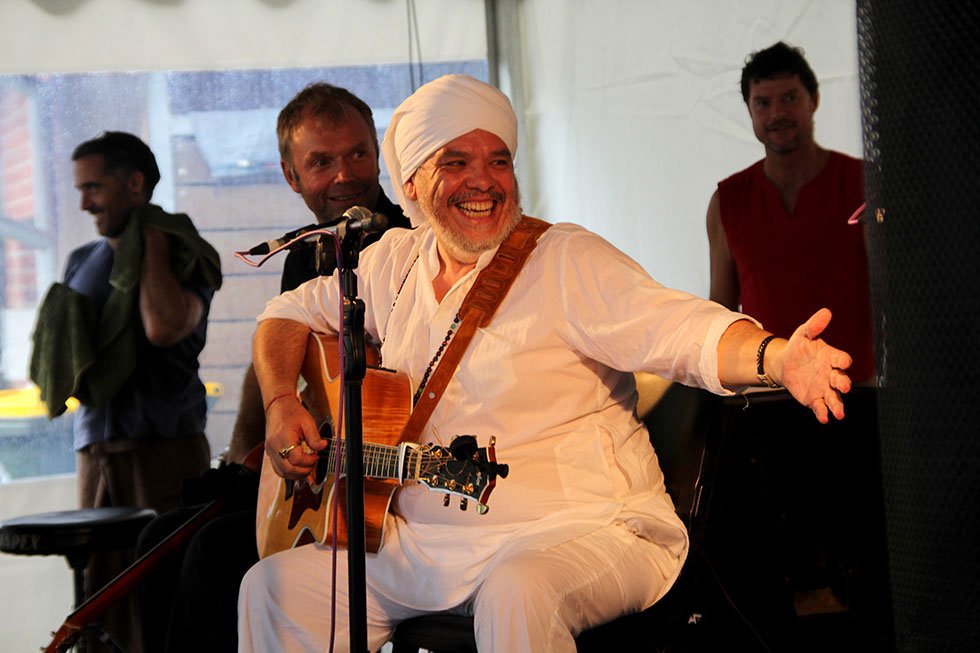
What do think about music and yoga asana? Inspired by a yoga class with the Future Sound of Yoga at the Spirit Festival (and memories of Jivamukti classes in Sydney years ago), I practiced with music today. And not my usual gentle, lyrical Donna De Lory, Jo Kelly, Deva Premal, Amrit Kirtan playlist.  Today I turned it up LOUD, burnt some incense, and grooved my way through an Ashtanga sequence. Today I played MC Yogi. It seems that music in yoga in controversial.  I’ve heard people aghast at the idea.  That it’s a spiritual practice designed to take you inwards, and music takes you outwards.  But I’m not buying the idea. When I practiced asana in India, it was always in silence. I know traditionally asanas (yoga postures) are practiced in silence, but I’m not a traditionalist.  I believe in following my own path, my own dharma. And today, my path was a musical one.  A loud, rapping, MC Yogi one. I loved it. I flowed right through the practice.  It was beautiful.  It was joyful.  It was light.  It was fun.  And instead of leading me out, it took me in. At the Byron Spirit Festival a couple of weeks ago, Dave Stringer talked about the history of kirtan.  He said that kirtan came about when the Bhakti yogis tried to break down the caste system in India, by chanting devotional music in the street…. chants that were traditionally only accessible to the Brahman caste (if you were of a lower caste, you had to wait for another life time to be born into a higher caste). Dave said that at first the upper castes rejected the idea of chanting sacred mantras in the street.  They were very (to say the least) unhappy about the whole affair.  And eventually, over time, they got used to it. Until the Bhakti yogi’s started using an instrument that was previously only used in the brothels.  People were up in arms about Bhakti yogis chanting sacred mantras in the street, while playing instruments associated with prostitutes.  But it sounded so good, and they eventually got used it. Then they started playing tablas with animal hides.  A Muslim instrument (with animal skin!) accompanying Hindu devotional chants!  Again, an outrage.  Until everyone got used it. And then the British came along with their harmonium, and the Bhakti’s started including these too.  The instrument of the oppressor!  An outrage.  And again, you guessed it, everyone got used to, and it became an accepted part of kirtan, like all the instruments before it. And then in the 70’s the Westerners ventured to India with their acoustic guitars….. ahhh folk music!  And then we all got used to it.
 
Now days people are freaking out about including electric guitar in kirtan.  Like it’s some kind of sacrilegious thing to do. But really, kirtan (and yoga) are an evolving practice, it’s a living tradition that evolves with the zeitgeist. Not, as Dave puts it a “dusty ethno-musical logical or spiritual museum piece.” The Bhakti’s weren’t concerned about whether the instruments were Hindu, Muslim or Christian, or whether it was from a brothel, a different caste or Western folk culture.  It didn’t matter one bit.  It was about love. As Dave puts it, “the idea was that if there was love to be found or a divine to be connected with, that the place to connect was within your own heart and your own practice and your own experience. You didn’t need a priesthood or any special knowledge in order to make this connection. That singing and dancing and connecting with other like-minded people was the quick way to get there” (quote from this great interview with Dave Stringer).
So I’m stepping (with respect) out of the dusty self imposed boundaries of a ‘traditional’ yoga asana practice, and stepping into my truth.
My practice. My journey. My musically inclined way of grooving through my practice and connecting with the divine. I’m not saying that MC Yogi will be accompanying me on my stereo everyday, but that when he does, I know that I’m practicing MY yoga, the way that works for ME. And in my mind, that’s what it’s all about.
  How do you practice?  Do you turn up the music? I’d love to hear your thoughts in the comments below. Namaste,

The information provided on this podcast is intended for informational purposes only and should not be considered professional advice

WANT MORE LIKE THIS IN YOUR INBOX?

[et_bloom_inline optin_id="optin_9"]
What’s draining your energy?

What’s draining your energy?

Fatigue is a major issue in many of our lives.  We live such busy, switched on lives, that we find it hard to switch off and simply be. There are many reasons why we might feel fatigued, but they're not all what you might think. Fatigue is a symptom of depression, and often a side effect of...

read more
Apps for health, happiness and well being

Apps for health, happiness and well being

I admit it.  I'm a bit of a tech nerd.  My computer is actually worth more than my car (which incidentally isn't saying much) and I love hearing about the latest developments in  technology.  While I'm conscious of not letting technology rule my life (I've never owned a TV and always try to switch...

read more
Stop stressing, start relaxing (a how to guide)

Stop stressing, start relaxing (a how to guide)

A week ago I was fortunate enough to attend the Balancing the Busy conference in Bangalow, hosted by the lovely Jody Vassallo.  Two of the guest teachers on A Daily Dose of Bliss, Rachel Zinman and Caroline Cowley were speaking, along with Dr Libby Weaver, an internationally acclaimed nutritional...

read more

Join our community over at the Yoga Psychology Institute and download my favourite Spotify playlist for nervous system regulation