
Blog
Un-learning to rush
The summer between finishing high school and starting uni I worked as a waitress for the first time (and not the last!). It was as a waitress that I learnt to rush.
To do as much as possible in the shortest amount of time.
To multitask.
On my first day of the job I was told (as only a head waiter can tell a teenage waitress on her first day on the job) that I was too slow.
Way too slow.
So I cultivated the art of rushing. I learnt to move quickly between tables, wipe down benches with the greatest of speed, carry multiple plates with pockets full of cutlery and to talk people through the specials and take orders while pouring glasses of wine.
And I got pretty good of it.

Later at uni, and then later still at work, rushing around and multitasking was still seen as a positive thing. I was praised for getting so much done. ‘An ability to multitask’ was on job descriptions. My supervisors seemed to always be in the business of being busy (or, I suspect, looking busy). My diary was always filled up with loads of things to do, I made a point of filling it up. Being busy was a big part of my life without even realising it.
Being busy and rushing around are just so deeply embedded in our culture that we often don’t even question it. Even though our bodies aren’t meant to be in such a state of stress for long periods of time, and are often screaming at us to slow down, we just accept it as a normal state of affairs. Desirable even.
Being busy is tiring. And really, what is the point?
Why do we fill our days and hours and minutes with endless tasks. Do we REALLY need to be so busy?
What if we decided NOT to be busy?
If we chose un-busy over busy?
At the bank the other day, the teller said to me ‘busy day?’ When I happily replied ‘no,’ he said ‘oh, I’m sorry.’
Poor me for not being busy.
But NOT being busy is something I strive for. Frankly, after years of doing the opposite if doesn’t come very easily, but when I see blank pages in my diary, I smile. I feel the weight lift from my shoulders, and I feel free. When my friend calls me in the morning and asks if I want to meet up that I day, I love it I’m so un-busy that I can.
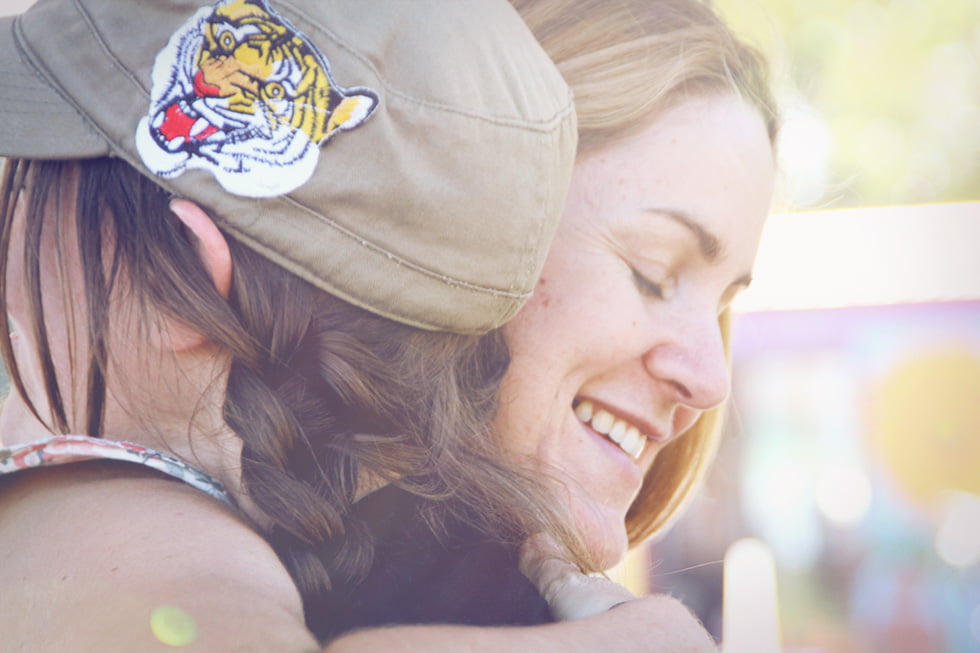
For me, being un-busy means not scheduling my days weeks in advance. It means eating meals slowly. It means choosing to go for a swim at the beach instead of working if it’s that kind of day. It means having a massage. It means spending a day without leaving the house once-in-a-while. It means stopping the ‘important’ things I’m doing to play with my kids.
I’m still learning. Unlearning the rush. And learning to be still. To be slow. To be present.

But I have a confession to make. Sometimes I actually like to be busy. I guess it’s all about balance.
But now when I am busy, I pause to breathe deeply into my belly and my body doesn’t kick into the stressed-out, fight-or-flight mode anymore. I can do busy without feeling rushed. On the days when I have a lot of stuff on, I can do it in a laid back kind of a way (mostly!) and still get just as much done.
And I have a lot more fun doing it.
What about you? Are you unlearning too? What does being un-busy mean to you?
I’m writing an online course that’s all about teaching yogic practices like belly breathing to help us find peace in the midst of a busy life (because let’s face, sometimes busy is inevitable).
Curious?
I’m still writing it, but you can find out a little bit about it here, and if you’d like to hear from me when it’s finished, sign up below.
Namaste,

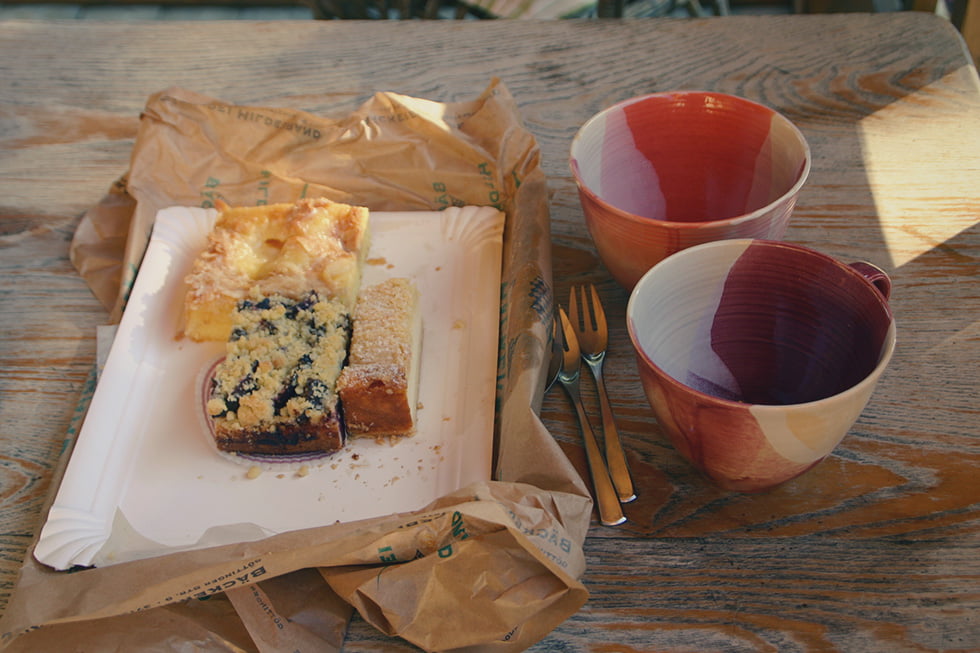
PS: The beautiful tea cups are hand made by the very talented Kathrin Gatys
2 Comments
Submit a Comment
WANT MORE LIKE THIS IN YOUR INBOX?

Mental Health and COVID-19
With much of the world going into lock down as a result of COVID-19, one of the biggest global health risks we’re facing right now is mental illness. Loneliness, as a result of social distancing, and stress as a result of the financial implications of lock down and health fears, are very...

Ahiṁsā (non-violence)
Let's dive into the Yoga Sūtras together. Patañjali’s Yoga Sūtras are an ancient yogic text, and a practical guide to self-understanding and enlightenment (as we saw in this article). They outline eight limbs for achieving the goal of yoga, including the yamas, niyamas, āsana, prāṇāyāma,...

Eight Limbs of Yoga
It is thought that Patañjali was an ancient sage who wrote down the vedic knowledge of the time into sūtras, so they could be handed down orally from teacher to student. These sūtras comprise of a series of experiments or practices that are designed to realise the teachings of Sāṅkhya, teachings...
Oh, Lauren,that is beautiful! You are such a good writer! And… You are absolutely right !!!!
lots of love Kati
Thank you Kati x