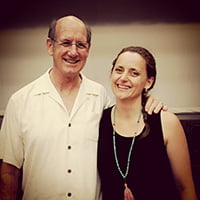
GUEST POST BY RACHEL ZINMAN When I met my partner John Weddepohl, I felt I was at the peak of my understanding of yoga and yoga practice. I had read every book out there on the philosophy of tantra, studied the science of mantra and yantra and had a deeply entrenched physical practice, which...

The Gifts + Challenges of the Highly Sensitive Person
Blog
The Gifts + Challenges of the Highly Sensitive Person
Are you highly sensitive?
About 15-20% of people in the world are considered to be. I am. And having an understanding of high sensitivity has really made a big difference in my life.

Highly sensitive people:
- Notice and are affected by smells, noises and bright lights (highly sensitive people often don’t like the TV on in the background, or being around people with strong perfume)
- Pick up easily on the emotions of others
- Feel overwhelmed by busy days and long to do lists
- Prefer a meaningful one-on-one talk to speaking with large groups or making small talk
- Are strongly affected by caffeine, alcohol, drugs, medication and herbs
- Enjoy their own company, in fact they need down time by themselves to recover from the busy-ness of the world
- Have a rich and deep inner life
- Were often described as ‘sensitive’ as a child
- Appreciate creativity, art and music
- Get overwhelmed and overstimulated in shopping centers and supermarkets
- Are intuitive and empathetic
Does any of this sound like you? Take the HSP test to find out if you (or a person you love) is a Highly Sensitive Person too.
It’s important to know that high sensitivity isn’t a diagnosis or an illness. It’s a trait, meaning that we’re born with it. It’s simply a way of describing the workings of the nervous system.
Highly Sensitive People have nervous systems that are more sensitive than normal and they process things more deeply. Basically, it means we pick up on more information from the environment than the majority of the population.
The challenge that comes with this is that we can get exhausted, overwhelmed and burnt out more quickly than ‘normal’. So fatigue related illness, anxiety, depression and low self esteem and are not uncommon. More on this in another post (stay tuned!).
The up-side of being a HSP is that we are often deeply creative, spiritual, empathic and insightful. We make links between things in the world that other people may miss, and hence we are often thought-leaders and creative-folk.
People who embrace and nourish their sensitivity are likely to be happy, healthy and doing wonderful things in the world. People who see their sensitivity as a burden and ignore it, are more likely to end up depressed and wondering why they can’t keep up with rest of the world.
These challenges and gifts come as a package. It’s important that we learn to embrace this trait in it’s entirety and learn to nourish and nurture ourselves in a way that allows us to thrive in the world. Whether or not our sensitivity was understood and valued in our childhood, we can learn to value and nourish it in ourselves.

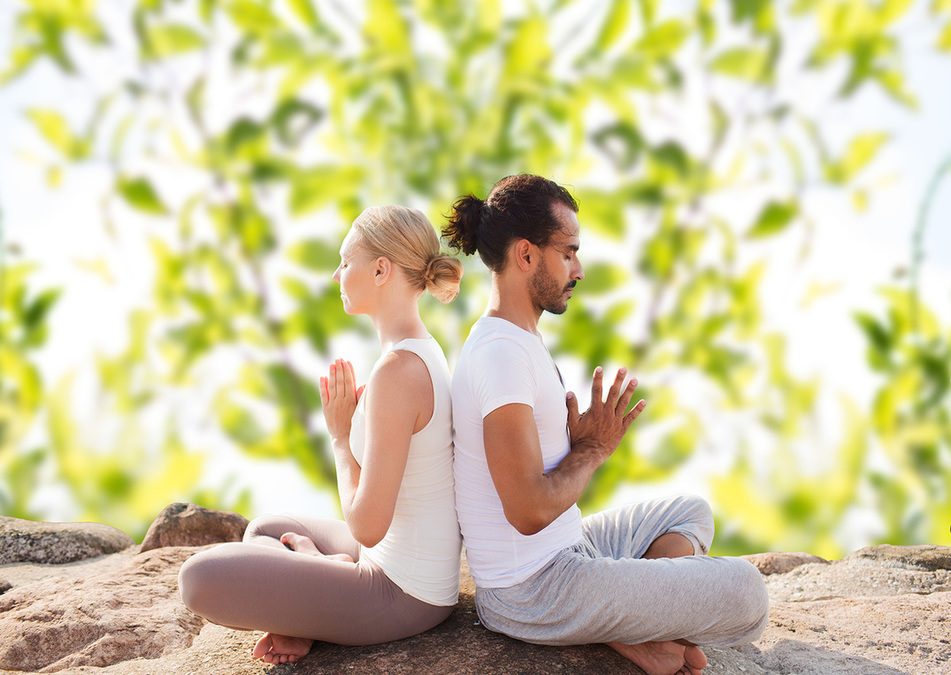
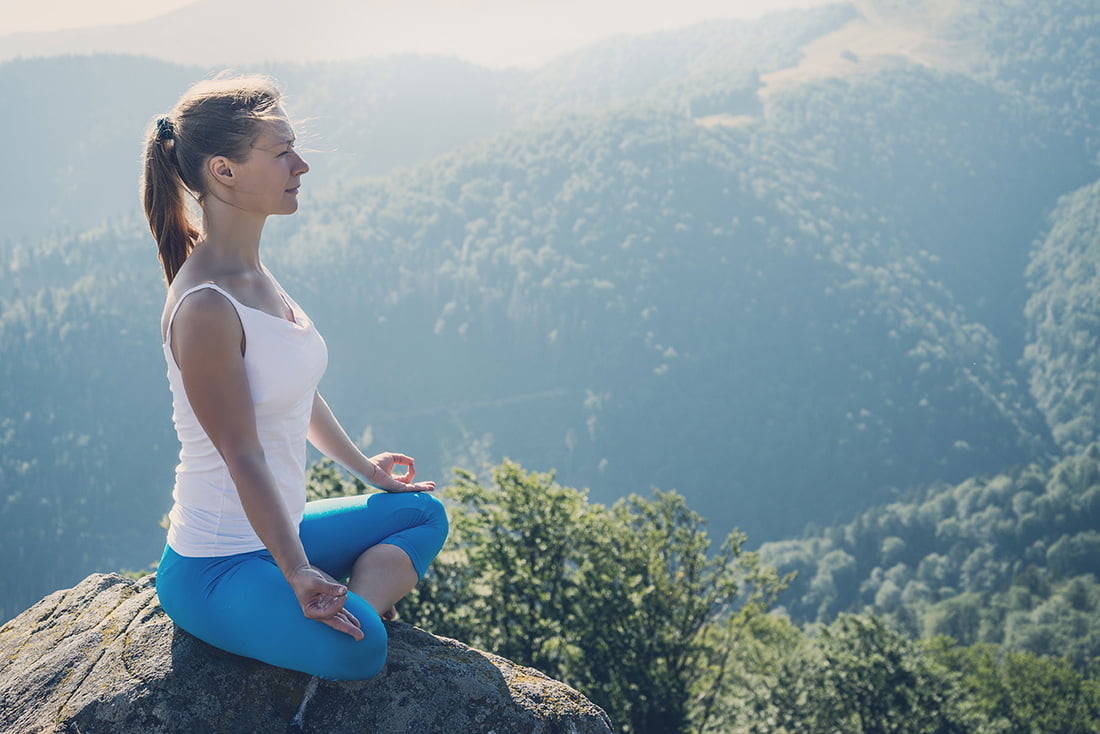
One of the most important ways I’ve learnt to nourish myself is through my daily yoga practice, even a short practice can make a big difference.
I wonder sometimes if yogic practices were developed by highly sensitive people, they seem to be the perfect anti-dote to an overstimulated nervous system.
My favourite practices for highly sensitive people are iRest Yoga Nidra, Legs-Up-The-Wall pose and mindful breathing practices where the out breath is longer than the in breath. My teaching team and I will be sharing these practice (and many more) in A Daily Dose of Bliss, a six week course to help you to find your bliss and calm your nervous system, in just 5-10 minutes a day. I do hope you can join us.
Happy nourishing,

WANT MORE LIKE THIS IN YOUR INBOX?
[et_bloom_inline optin_id="optin_9"]

Yoga and the Nature of Existence
read more

The Hero’s Journey
Joseph Campbell, mythology expert and philosopher, studied all the great myths of the world and found that there was really only one story, the Hero's Journey. In this story, the hero is separated from his or her tribe, goes through a period of initiation and finally returns to his or her...

The Space Between Stories
Have you ever felt life as you know it drop out from under you? A health crisis that stops you in your tracks? Your partner falling in love with someone else? Being fired from your job when you were expecting a promotion? Your landlord giving you notice to leave just before Christmas? Just when...
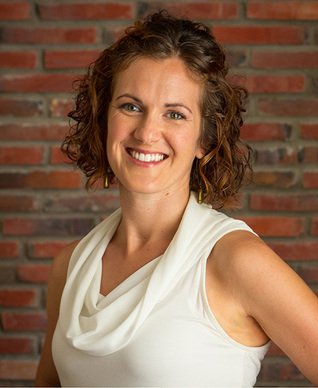
 Hi Kirsten, tell me a little about yourself and how you ended up in Cambodia?
I’m a small town girl from the US, approaching my 7th year abroad (half of that in Cambodia,) and loving it. I’ve always enjoyed traveling and feel so fortunate that my husband’s career allows us to live an adventure everyday.
I found Krama Yoga my first week in Cambodia, and instantly connected with their mission. I started teaching with their social enterprise, Nataraj Yoga Studio, which helps fund their programs. I have a background in marketing and non-profit administration and as a Yoga Teacher I have more recently found a fulfilling role in helping Krama Yoga NGO spread their wings and share their work with the world.
Krama Yoga is doing some really wonderful and life changing work. I’d love for you to share a little about Krama Yoga’s vision and work that they’re doing.
Krama Yoga is a unique and special not-for-profit organization operating in the capital of Cambodia, Phnom Penh, reaching deep into a community of hurting and disadvantaged youth and adults.
The mission of Krama Yoga is to build and sustain a yoga community for people from all backgrounds, by providing yoga-based classes and programs that cultivate healthy bodies and peaceful minds.
Our mission is achieved through kids, teen and trauma sensitive yoga classes for young Cambodians through partnerships with NGOs that offer educational or therapeutic services to underprivileged youth. Krama Yoga believes that awareness and self-care skills are essential to becoming stable and empowered adults in a changing social environment.
How does yoga change young people’s lives?
Using the healing power of yoga, our Cambodian teachers (who themselves have used the positivity of yoga to change the direction of their lives) work with local organizations to bring yoga, confidence and peace to a diverse group of youth and young adults on a weekly basis.
Bringing the benefits of an asana practice, as well as mindfulness practices, students learn confidence, a sense of accomplishment and skills to process the trauma they have experienced in life.
Hi Kirsten, tell me a little about yourself and how you ended up in Cambodia?
I’m a small town girl from the US, approaching my 7th year abroad (half of that in Cambodia,) and loving it. I’ve always enjoyed traveling and feel so fortunate that my husband’s career allows us to live an adventure everyday.
I found Krama Yoga my first week in Cambodia, and instantly connected with their mission. I started teaching with their social enterprise, Nataraj Yoga Studio, which helps fund their programs. I have a background in marketing and non-profit administration and as a Yoga Teacher I have more recently found a fulfilling role in helping Krama Yoga NGO spread their wings and share their work with the world.
Krama Yoga is doing some really wonderful and life changing work. I’d love for you to share a little about Krama Yoga’s vision and work that they’re doing.
Krama Yoga is a unique and special not-for-profit organization operating in the capital of Cambodia, Phnom Penh, reaching deep into a community of hurting and disadvantaged youth and adults.
The mission of Krama Yoga is to build and sustain a yoga community for people from all backgrounds, by providing yoga-based classes and programs that cultivate healthy bodies and peaceful minds.
Our mission is achieved through kids, teen and trauma sensitive yoga classes for young Cambodians through partnerships with NGOs that offer educational or therapeutic services to underprivileged youth. Krama Yoga believes that awareness and self-care skills are essential to becoming stable and empowered adults in a changing social environment.
How does yoga change young people’s lives?
Using the healing power of yoga, our Cambodian teachers (who themselves have used the positivity of yoga to change the direction of their lives) work with local organizations to bring yoga, confidence and peace to a diverse group of youth and young adults on a weekly basis.
Bringing the benefits of an asana practice, as well as mindfulness practices, students learn confidence, a sense of accomplishment and skills to process the trauma they have experienced in life.