
Blog
A serious topic: The importance of having fun
One of symptoms AND causes of burnout, stress and depression is not having enough joyfulness and fun in our lives.
Often we get too busy or burdened with our day to day responsibilities that we neglect the little things that bring us joy. We prioritise crossing the ‘important’ things off our to do list rather than nurturing our soul with a little bit of fun.
We choose to work through our lunch break instead of logging off and meeting with a friend for lunch.
Or choose to watch that serious documentary instead of a quirky comedy.
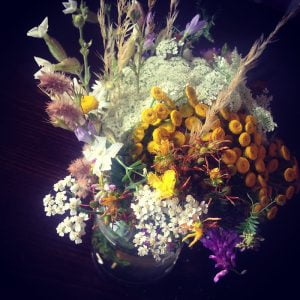
We save our money for a rainy day instead of spending $5 on a bunch of flowers for ourselves at the market.
We tell ourselves it’s wasting time to lie in the hammock, read a novel, bake a cake, dance in the living room, learn to juggle, make love in the afternoon or have a very long soak in the bath.

Burnout, stress and depression
When we stop prioritising our own pleasure, we stop enjoying life. Life becomes less and less fun as, quite simply, we’re not making it fun. Life becomes dull and routine.
So it’s no wonder that we end up burnt out, stressed and depressed.
And it can become a vicious circle. Not having fun can lead to depression, but depression can also lead to what psychologists call anhedonia; we no longer find enjoyment in things we previously found enjoyable. It’s like the world becomes grey, and nothing is fun anymore.
So pay attention, this is important!
Having fun is good for you
Having fun and being joyful is very good medicine. When we laugh and feel joyful our bodies naturally release endorphins. Endorphins are our body’s natural painkillers, they enhance the functioning of the nervous and immune systems, and they trigger a positive feeling in the body, some even describe it as euphoric.
Having fun and choosing pleasure in our lives can prevent burn out, stress and depression, but it’s also a very beautiful way to heal if you’ve already gone down that path, and to prevent relapse.
If you’ve previously been depressed in the past, you’re statistically much more likely to become depressed again. Doing things that are fun and joyful is a wonderful way to prevent that happening. Think of it as a vaccination against depression.

-
- Do it EVERY day!
- Choose guilt free fun (eating chocolate and going shopping might be fun, but if you eat a whole block or max out your credit card, the joyfulness is going to be pretty short lived)
- Do it EVERY day!
- Remember that having fun doesn’t have to cost money and it doesn’t have to take up loads of time.
Here are some ideas for having fun (and remember, every one is different, what is fun for me may be totally boring for you, find what fills you with joy, and do that, over and over!)….

4 Comments
Submit a Comment
WANT MORE LIKE THIS IN YOUR INBOX?


Mental Health and COVID-19
With much of the world going into lock down as a result of COVID-19, one of the biggest global health risks we’re facing right now is mental illness. Loneliness, as a result of social distancing, and stress as a result of the financial implications of lock down and health fears, are very...

Ahiṁsā (non-violence)
Let's dive into the Yoga Sūtras together. Patañjali’s Yoga Sūtras are an ancient yogic text, and a practical guide to self-understanding and enlightenment (as we saw in this article). They outline eight limbs for achieving the goal of yoga, including the yamas, niyamas, āsana, prāṇāyāma,...

Eight Limbs of Yoga
It is thought that Patañjali was an ancient sage who wrote down the vedic knowledge of the time into sūtras, so they could be handed down orally from teacher to student. These sūtras comprise of a series of experiments or practices that are designed to realise the teachings of Sāṅkhya, teachings...
Hi, I had just got up after reading a novel in bed until 10.00am on a weekday and was feeling such guilt, when I opened my laptop and read your blog! Now I feel good that I relaxed and did something that gives me great pleasure, reading in bed.
Thank you.
Chris
Sounds like the perfect way to spend a week day morning Chris! What joy 🙂
Thanks Lauren I really needed to read this too, as i’ve been feeling that grey cloud settling down getting comfortable. I really need more fun!!!
thanks again.
Tania
My pleasure Tania (….pun intended)! 🙂