
Blog
Gratitude and grief… a personal journey
By guest contributor: Kat Stanley
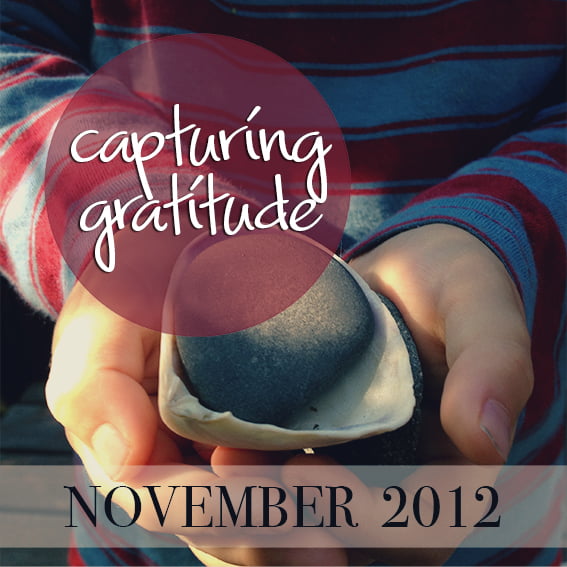
This month I’ve helped organise and am taking part in Capturing Gratitude. An online group of over 200 people that take pictures of what they are grateful for.
When Lauren asked if I would like to be a part of this group I was pretty excited. Gratitude and positive psychology has been something that gets me buzzing and excited for years. At the time I had no idea what Capturing Gratitude would mean for me.
 Photo: Kat Stanley
I began exploring gratitude and what it meant when I was about 17, and the journey still hasn’t stopped. I have read countless books on happiness, gratitude and positive psychology, and even wrote a newsletter all about it for a few years. I have done many things to make myself happier, and my life is constantly evolving as I venture towards happiness, mindfulness and deep gratitude. I love the knowledge, and strength that what I have read and practiced has given me.
One thing that often surprised me was the belief of many that positive psychology ignored the real issues. Ignored that people hurt, and do have horrible things occur in their lives. I’ve learnt it generated guilt in some people that they could not lift the hurt, and that the practices did not make them feel any happier.
Something happened to me the very day before the month of Capturing Gratitude was launched. It meant that I was to begin the month broken hearted and filled with grief. I will be honest with you, part of me wanted to run away and hide from it. Part of me didn’t want to see the pictures others were posting about how beautiful life was when mine was filled with heartache. And it broke my heart when I saw people grateful for the very thing I had lost.
I decided though to try and post something that I was grateful for most days. I had practiced and preached gratitude for years and here was my chance to see how it felt to be grateful when you were deeply hurting. When life is not filled with hurt practicing gratitude lifts me, improves my confidence, and brings me to a state of mindfulness. It is like a daily meditation that puts me in good stead for the rest of the day, week and even month. When I practice gratitude I am more settled, a happier person, a better wife and a more conscientious and sensitive citizen.
When practicing gratitude from a place of hurt and with a broken heart, I learnt that you can be happy and sad simultaneously. It taught me to be gentle with myself and that having a broken heart didn’t need to mean having a closed heart. My heart was open, and though it was aching and so very vulnerable it was so liberating to be so openly raw.
It hasn’t been the easiest month in my life, and I still cry most days. Capturing Gratitude has been both wonderful and extremely challenging. I have to say though that I don’t agree with the skeptics. Practicing gratitude should be done from a place of love and gentleness. If you are hurting and wanting to try some simple gratitude exercises, allow yourself to still be hurting. Make space for how you really feel. Understand that practicing gratitude is not a quick fix, but a daily exercise in building resilience, and remembering to be thankful even on the darkest days.
Gratitude both in the form of Capturing Gratitude and in all the gratitude I practice every day, has taught me to really love myself. To open my heart and feel the hurt in the same way that I would embrace happiness. It is a beautiful liberating and refreshing feeling. I am whole heartedly broken hearted.

WANT MORE LIKE THIS IN YOUR INBOX?

Mental Health and COVID-19
With much of the world going into lock down as a result of COVID-19, one of the biggest global health risks we’re facing right now is mental illness. Loneliness, as a result of social distancing, and stress as a result of the financial implications of lock down and health fears, are very...

Ahiṁsā (non-violence)
Let's dive into the Yoga Sūtras together. Patañjali’s Yoga Sūtras are an ancient yogic text, and a practical guide to self-understanding and enlightenment (as we saw in this article). They outline eight limbs for achieving the goal of yoga, including the yamas, niyamas, āsana, prāṇāyāma,...

Eight Limbs of Yoga
It is thought that Patañjali was an ancient sage who wrote down the vedic knowledge of the time into sūtras, so they could be handed down orally from teacher to student. These sūtras comprise of a series of experiments or practices that are designed to realise the teachings of Sāṅkhya, teachings...
0 Comments